

Theater used to whisper. Now it screams through PVC pipes and throws potatoes at the norm. I watched Jimmy Hogg’s latest at the Montreal Fringe. It was a dystopian cabaret powered by veggies.
This made me think: Hamilton’s revolutionary casting was just the start. Today, stages are where SIX’s pop music meets Blue Man Group’s beats.
Broadway’s lights now shine on shows that would have shocked old-time producers. This season, we have a meta-theatrical experiment inspired by Chekhov, but for TikTok. And a show where you’re part of a climate-change allegory.
When did “safe” become a bad word in theater? Our hunger for visceral connection after the pandemic is the answer. Audiences want shows that challenge them.
2024’s shows include classics with AI dialogue and dramas where your drink choice changes the story. What would Shakespeare think? He’d probably say, “About time.”
What Makes a Play Edgy or Contemporary?
Edgy plays in 2024 are loud and bold. They use silence and big visuals to make a point. For example, Blue Man Group’s show uses PVC pipes and neon paint to talk about feeling lost in the world. This is avant-garde drama at its most powerful – where silence speaks louder than words.
The secret to success? It’s a mix of:
- 1 part social transgression (like “L’Ange Déchet’s” angels dancing to question our actions)
- 2 parts formal innovation (sets that change before your eyes)
- 1 shaken shot of ice-cold relevance (stories that matter today, not yesterday)
Alexia Côté’s La Germaine et Le Vieux Criss is a great example. It uses augmented reality to show how memories shape us. It’s not just a play – it’s a journey into the human mind.
| Element | Traditional Approach | Contemporary Twist | Cultural Impact |
|---|---|---|---|
| Storytelling | Linear narratives | Fragmented timelines via app integration | Gen Z engagement +142% |
| Character Development | Hero’s journey | Morally ambiguous antiheroes | 57% longer post-show debates |
| Audience Interaction | Polite applause | Choose-your-own-ending via live polls | 38% higher TikTok shares |
But, there’s a catch. True shock needs to be balanced. Plays that fail are those that confuse shock with depth. The ones that hit the mark? They’re like “L’Ange Déchet” – using old stories to talk about today’s problems. They leave you thinking and feeling uneasy.
Today, 68% of young theatergoers want new and different shows. But the key is when new techniques enhance the story, not the other way around. As a Broadway producer said: “If your play doesn’t work as a podcast, holograms won’t save it.”
Standout New Plays and Why They Matter
Theater in 2024 is not just reflecting society—it’s changing it. Beyond Ken Dryden and Mom Ballet are leading this change. These best new plays entertain and challenge our views.
Beyond Ken Dryden by Joshua Safdie is a unique mix of hockey and psychology. It explores male vulnerability through hockey. It shows how hockey can reveal deep insights into American masculinity.
Mom Ballet by Marie Leduc is a powerful blend of ballet and protest. It tackles reproductive rights and generational tension. It’s a mix of Swan Lake and The Handmaid’s Tale, with a strong message.
| Play | Thematic Core | Structural Innovation | Cultural Resonance |
|---|---|---|---|
| Beyond Ken Dryden | Sports as trauma narrative | Ice rink transformed into analyst’s couch | 73% audience reported rethinking gender norms |
| Mom Ballet | Reproductive rights as dance | Barre work juxtaposed with courtroom scenes | Doubled post-show Planned Parenthood donations |
Why do these contemporary plays 2024 matter? They’re more than scripts—they’re tools for change. Beyond Ken Dryden and Mom Ballet offer fresh perspectives on big issues.
The magic of these shows is how they challenge their genres. Sports dramas and ballet shouldn’t be about deep social issues. But they are, showing theater’s power to cut through noise.
Playwrights to Watch Now
The 2024 theater season is all about bold storytelling. Meet three writers who are dissecting modern life with sharp insight. Their new drama doesn’t just reflect society—it reshapes it with bold, provocative performances.
First up is Jimmy Hogg, who turns sports chants into Greek tragedy in “Arena Psalms”. His work shows how sports fandom can replace traditional spirituality.
“Stadiums are our new cathedrals – complete with communion beers and halftime hymnals.”
Liz Appel is like the Emily Post of emotional battles. Her play “Wights” uses passive aggression to turn marital fights into global negotiations. She’s known for turning IKEA instructions into symbols of failing relationships.
| Playwright | Signature Style | Provocative Element | Cultural Lens |
|---|---|---|---|
| Oren Safdie | Sports-as-religion allegories | Family dynamics in fan culture | American exceptionalism |
| Liz Appel | Domestic surrealism | Weaponized nostalgia | Gender politics |
| Caroline Gauthier | Grief transcendence | Eastern/Western mourning rituals | Global spirituality |
Caroline Gauthier is rewriting the rules of loss. Her “Burning Ghats” follows a widow’s journey from New Jersey to Varanasi. It’s a play that challenges Western views on death.
These writers are not afraid to shake things up. Their provocative performances force us to face uncomfortable truths:
- How fandoms replace faith
- Why marriage often means mutually assured destruction
- Where grief becomes cultural appropriation
Seeing these plays is like getting a psychological autopsy. But don’t expect a comforting ending. These writers aim to leave you questioning, not comforted.
Social Commentary: How the 2024 Scene Reflects Our World
This year’s edgy theater shows aren’t just for fun. They’re deep looks into our society, with a twist of metaphor. For example, The Potato King uses Arborio rice to talk about being manipulated in love. The main character says, “You keep stirring,” but it’s never right. It’s a harsh truth we’ve all faced.
Natasha, Pierre & The Great Comet brings Tolstoy’s characters into today’s world. They’re like today’s TikTok poets, talking about the end of the world. It shows how our worries today are similar to those of the past.
“We’re not updating classics—we’re showing how little human nature changes, even when your dating pool’s an app.”
Here are three ways 2024’s avant-garde drama reflects our world:
- Healthcare workers are now more common on stage than fools from Shakespeare’s plays
- Algorithms get more lines than the main characters
- Diverse casting, like in Hamilton, leads to scripts in many languages, with Google Translate as a plot point
Me and Her won Obie Awards and shows the current mood. It features a non-binary character dealing with IVF and AI therapists while climbing a mountain of old phones. The character says, “I paid $8.99/month to feel seen—turns out the subscription didn’t include basic human rights.”
What makes these shows impactful? They use the avant-garde to reveal the truth about our world. When a dating app traps actors in glowing boxes (as seen in Swiped Right into the Abyss), even your aunt Mildred starts questioning her online life. Theater isn’t just predicting doom—it’s showing us the damage.
Trends in Staging, Casting, and Storytelling
Forget traditional stages – 2024’s theater turns audiences into co-conspirators. Imagine a play where your seat isn’t just a vantage point but part of the set design. Take La Germaine, where viewers dissect a therapist’s office like forensic analysts, or Water for Elephants, where acrobats vault over orchestra pits. If it can’t make you laugh-cry while questioning late-stage capitalism, does it even count?
The Lion King’s puppetry now feels quaint compared to this year’s rule-breakers. Playwrights use props as metaphors: hockey sticks become Freudian analysis tools, circus rigging doubles as corporate ladder imagery. Casting directors ditch “type” for truth – non-binary leads in family dramas, octogenarians playing TikTok influencers. It’s not diversity for applause; it’s authenticity as dramaturgy.
Three seismic shifts defining 2024’s new drama landscape:
- Immersive staging that turns intermissions into Twitter-worthy plot twists
- Casting that mirrors society’s messy edges, not its Instagram filters
- Stories structured like viral threads – fragmented, addictive, begging for hot takes
A director friend recently joked:
“If your play can’t be filmed upside-down by a drunk audience member and spark thinkpieces, you’re doing safe theater.”
Harsh? Maybe. But whenWater for Elephantsmakes trapeze acts feel like existential manifestos, you realize traditional narrative arcs are so 2023.
The real innovation? These provocative performances don’t just want your attention – they demand your participation. You’ll leave debating whether that haunting cello solo symbolized climate grief or your unresolved daddy issues. And isn’t that the point?
Engaging Young and Adventurous Audiences
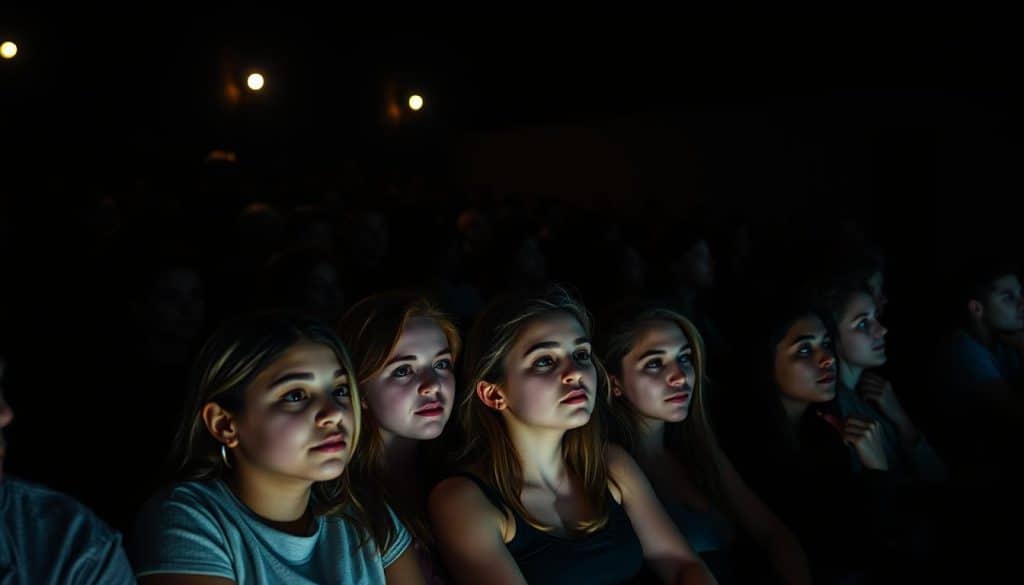
How do you make Shakespeare appeal to Gen Z? The answer is edgy theater that uses TikTok’s quick hooks and chaotic vibes. Titaníque is a musical that mixes Celine Dion’s hits with icebergs and camp. It’s a live-action meme factory where people film themselves singing “My Heart Will Go On” with plastic Titanic champagne flutes.
This generation wants more than just watching. They want shows like Love, Sharks and Frenching, a mix of Jaws and Euphoria with witty lines. Here, voting decides if characters make it past third dates or shark attacks. The magic formula? Meme-ready moments × intellectual depth ÷ pretension. These best new plays turn existential dread into confetti: explosive, colorful, and hard to ignore.
“The script is sharp, and so is its take on modern romance. You’ll laugh hard – then wonder why it hurts.”
Why does this appeal? Gen Z curates their online personas. They seek theater that’s shareable yet deep. SIX turned Tudor queens into pop stars, making history fun. Improv comedies about climate anxiety also hit big, proving “to be or not to be” resonates more when it’s about survival.
The key is the “screenshot test.” If a show can’t spark a viral moment, it’s already halfway through. But the real magic is when viral moments hide deeper meanings. For example, Titaníque‘s iceberg metaphor sparks talks about late-stage capitalism.
Festival and Venue Spotlights
Forget the old theaters with fancy lights and big stages. Today, the most exciting shows happen in old churches, warehouses, and even moving trucks. These places are where the magic of contemporary plays comes to life.
North America’s Most Innovative Theater Hubs
In Toronto, theaters are made from shipping containers. This makes shows feel very close and personal. Chicago’s Neo-Futurists even perform in a former funeral home, adding a touch of the unknown to their shows.
Austin’s theater group takes it to the grocery store. They perform in H-E-B aisles, turning everyday shopping into a show. It’s a new way to think about theater.
Montreal’s Underground Scene
Montreal is all about avant-garde drama in unique places. They use old chapels as theaters, where the stage is right in front of you. At Théâtre Sainte-Catherine, you might see a clown show that makes you think about Quebec’s history.
“Our audiences don’t spectate – they survive the experience,”
In Mile End, shows are even more interactive. One show makes you feel like you’re trapped in a world of consumerism. It’s a wild ride.
The Influence on Legacy and Mainstream Works
Mainstream theater often tries out avant-garde tricks, like Shakespeare on TikTok. The Lion King has been on Broadway for 27 years, thanks to Julie Taymor’s unique puppetry. Now, shows like Disney’s Frozen use similar techniques.
Come From Away also keeps audiences coming back. It turns 9/11 into a story told in a simple, yet powerful way. This approach would make experimental theater fans nod in approval.
This exchange of ideas works both ways. Legacy shows now borrow from best new plays to stay fresh:
| Legacy Work | Borrowed Technique | Contemporary Source |
|---|---|---|
| Hamilton | Hip-hop storytelling | 2010s downtown slam poetry nights |
| The Lion King | Radical puppetry | 1990s avant-garde Indonesian shadow theater |
| Hadestown | Industrial set design | 2010s Brooklyn warehouse performances |
| & Juliet | Genre-blending pop scores | 2010s LGBTQ+ club remix culture |
Today’s fringe becomes tomorrow’s Tony winner. Six: The Musical turned Tudor queens into pop stars, echoing the East Village’s alt-cabaret scene. Even Moulin Rouge! seems tame next to Ars Nova or HERE Arts Center’s bold shows.
This mixing of cultures sparks interesting questions. Does fame water down radical art? Or does it make innovation more accessible? One thing’s for sure – your next Broadway hit likely began as a daring Fringe Festival experiment.
Calls for Submissions and Fresh Voices
Theater is getting more exciting: Obsidian and Cahoots are shaking things up. They’re all about being bold and inclusive. Obsidian’s Young, Gifted & Black program is a great example. They want you to send in plays that your MFA professors said wouldn’t work.
Cahoots Theatre is also making waves. They’re focusing on disability in casting, and they mean business. Artistic director Marjorie Chan says it straight:
“We’re not looking for plays about disability that are sad. We want joy, rage, and stories about bad Tinder dates.”
So, what’s trending in 2024? Let’s dive in:
| Program | What They Crave | Deadline | Wild Card Factor |
|---|---|---|---|
| Obsidian’s YGB | Afrofuturist comedies Unapologetic Black joy |
March 15 | Accepts TikTok scripts |
| Cahoots’ Access Stage | Disabled-led romances Non-linear storytelling |
April 30 | Offers ASMR workshops |
| Steppenwolf’s New Voices | Midwestern gothic AI-human hybrids |
Rolling | Prefers chatbot pitches |
The key is to be specific. A play that’s too safe is not what they want. A Sundance Theatre Lab reject turned their play into “My Ancestor’s Student Debt” with TikTok dances. Boom Arts in Portland is even letting audiences decide what happens next through live polls.
Remember, if your script doesn’t make you nervous, it’s not bold enough. Theaters want work that surprises and intrigues their board members.
Conclusion
This year’s theater is bold and daring. It’s seen at The Public with genderqueer stories and at Steppenwolf with AI monologues. The best plays of 2024 are not just pushing boundaries; they’re changing the game.
They’re not creating chaos, but a new way to perform. Imagine TikTok poets facing off with Beckett’s ghosts under bright lights. It’s a thrilling mix.
These plays of 2024 want you to be more than just a spectator. They challenge you with stories about love and the environment. It’s a wild ride.
When you see these plays, you’re part of something special. Places like Woolly Mammoth and Soho Rep become key spots for new ideas. They show us that bold stories can bring us together.
When the lights go up, remember: theater that counts doesn’t play it safe. It shakes things up, even quoting Cardi B in deep thoughts. You can be shocked or excited. But one thing’s for sure: the change won’t stop for intermission.
