

Imagine if your whole life was a big joke. Calderón’s 1635 play Life Is a Dream poses this question three centuries before Keanu Reeves popped pills. Meet Segismundo, a prince trapped in a stone womb, making Plato’s cave seem like a small deal.
The play’s main question hits hard: When a prince, once trapped, becomes king, does power show who he is… or make him who he is? Calderón uses palace drama to ask if we’re bound by fate or can shape our own destiny.
This isn’t just old-timey stories. Calderón explores the mind long before modern psychology. Segismundo’s sudden change from prisoner to king mirrors our own confusion in today’s world.
So, why does this old play matter today? Maybe because we’re all dreaming with our eyes open, caught in our own digital caves. Calderón’s brilliance is in making us wonder: If life’s a play, who’s writing the script – and can we change it?
Historical Significance
Imagine a fading superpower writing philosophy in iambic verse. That’s what Calderón’s Spain was like. The 1600s were not just about conquistadors and lost fleets. They were also the time when theater started to question power.
Golden Age Context
Madrid’s Corral del Príncipe theater was buzzing with life. Nobles and peasants alike were there, each with their own story. The comedia nueva tradition was more than just entertainment. It was a way for Spain to deal with its problems.
After the English defeated the Armada in 1588, playwrights became Spain’s therapists. They tackled big issues like:
- Imperial overreach disguised as divine destiny
- Court intrigue that made Game of Thrones look tame
- Religious fervor masking economic freefall
Calderón’s work was a reflection of Spain’s midlife crisis. His characters debated free will, showing the depth of human struggle. The table below shows how real-world chaos fueled theatrical innovation:
| Cultural Element | Real-World Parallel | Theatrical Manifestation |
|---|---|---|
| Imperial Decline | Bankrupt treasury | Segismundo’s prison metaphors |
| Religious Tensions | Inquisition crackdowns | Allegorical auto sacramentales |
| Artistic Innovation | Velázquez’s brushstrokes | Meta-theatrical dream sequences |
This wasn’t just entertainment. It was a way for Spain to find its identity. While England had Shakespeare, Spain had Calderón. Both asked the same question: “Are we players or puppets in this cosmic comedy?” The answer? It depends on where you stand.
Plot and Main Themes
Imagine The Matrix meets Game of Thrones – but with a twist. Neo now wears a ruffled collar and thinks about royal ethics. Calderón’s masterpiece turns Segismundo’s existential crisis into a baroque laboratory. Here, identity, power, and perception crash together like drunken courtiers at a masquerade ball.
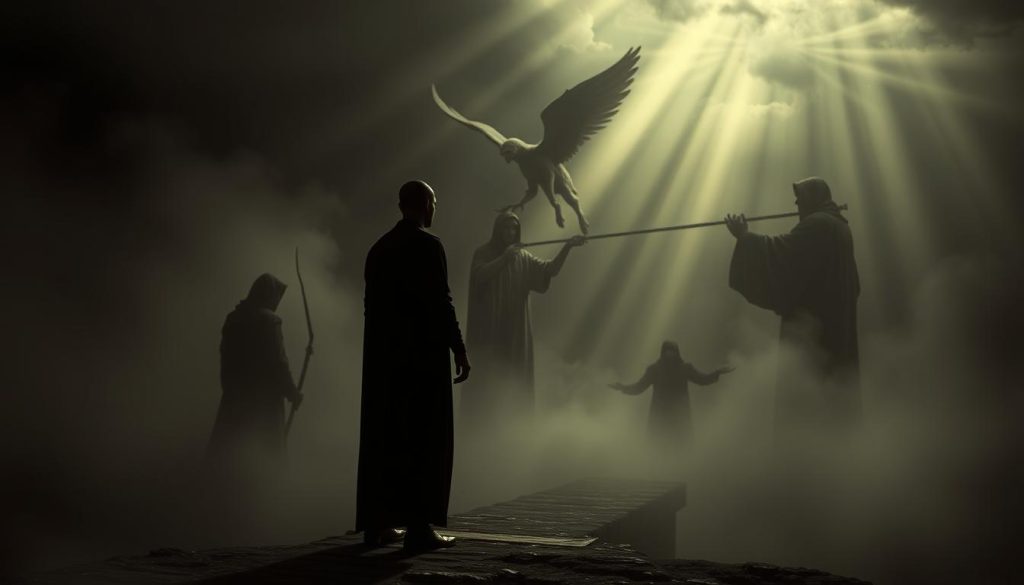
Prisoner’s Dilemma: Royal Edition
Segismundo’s tower imprisonment is more than just bad real estate. It’s a 17th-century psychological experiment. Calderón asks: “If you chain a prince in a mountain dungeon but nobody’s around to hear his rants, does he make a sound?”
The prince’s violent outbursts upon release mirror modern game theory’s prisoner’s dilemma. It questions: does cooperation or self-interest govern human nature?
“Man dreams the life that’s his until he’s waked to death’s dark night.”
Reality vs Illusion: Schrödinger’s Monarchy
When Segismundo questions his palace experience, it’s a moment of doubt. It’s less “I think, I am” and more “I doubt, I might be hallucinating.” Calderón creates a quantum superposition of reality:
| Aspect | Reality | Illusion |
|---|---|---|
| Identity | Chained beast | Crowned prince |
| Power | Brute strength | Divine right |
| Perception | Stone tower | Silk-bedded chamber |
Rosaura’s gender-fluid subplot adds another layer. Her sword-wielding vengeance quest would make Brienne of Tarth nod in approval. Calderón’s three-act structure works like a Russian nesting doll. Each revelation about free will peels back layers of the human condition, leaving audiences wondering if they’re watching a play or staring into a metaphysical mirror.
Fate vs Free Will in the Arts
Imagine if Calderón de la Barca created the “multiple endings” trope before Shakespeare even knew iambic pentameter. This Spanish Golden Age playwright turned existential dilemmas into drama, long before streaming services decided what we watch. The battle between fate and human will is as relevant today as it was back then, just with different tools.
Calderón’s Chess Game
King Basilio’s obsession with stars isn’t just old-world doomscrolling. It’s a lesson in building suspense. The royal chessboard is an allegory for divine manipulation, with Segismundo as the pawn who might upset the game. Calderón asks: Are we players or pieces? The answer changes with every show.
“Man dreams what he is, and awakens to what he could become.”
This 17th-century play could be a Black Mirror episode. Basilio’s star charts mirror our love for data-driven destiny. Segismundo’s anger is a rebellion against being controlled by algorithms. Calderón’s brilliance is in letting us decide: Is Segismundo’s redemption real or planned?
| Work | Fate Mechanism | Human Agency |
|---|---|---|
| Oedipus Rex | Oracle’s Prophecy | Self-Fulfilling Doom |
| Black Mirror | Tech Determinism | Illusion of Choice |
| Life Is a Dream | Astrological Charts | Redemptive Rebellion |
Modern psychology would say Segismundo has nature-vs-nurture whiplash. Locked in a tower, then given power, his story is like every Gen Z-er’s. Calderón’s answer? Both, but make it Baroque.
The play’s complex layers – dreams within power grabs within existential crises – seem eerily familiar. We deal with digital avatars and fake identities while Calderón’s characters question their roles. When Segismundo confronts destiny, it’s not just relief – it’s a blueprint for outsmarting the algorithm.
Notable Modern Productions
If Calderón’s masterpiece were a Netflix series, it’d be trending through every existential crisis. Today’s directors aren’t just staging Life Is a Dream. They’re using it to tackle modern absurdities. From pandemic-proof Zoom experiments to algorithmic interpretations, this Spanish Golden Age classic is a Rorschach test for chaotic eras.
Digital Age Revivals
Barcelona’s 2022 VR production made audiences question reality more than any magic mushroom tour. They solved Segismundo’s puzzles with motion controllers, all while Calderón watched through holograms. The twist? Many forgot they were wearing headsets until intermission.
Then there’s the “Lockdown Edition” that made Prince Segismundo a Zoom host with trust issues. Imagine:
- Royal decrees delivered via shaky webcam
- Battle scenes performed through glitchy screen shares
- Closet cosplayers as 17th-century nobles (credit to sweatpants chic)
The 2023 AI-generated version sparked debate on whether machines understand human destiny better than we do. Its algorithm turned Basilio’s astrological obsession into a TikTok dance trend. Take that, MFA programs.
“The AI’s set design looked like Dali and Elon Musk had a fever dream – and honestly? It worked.”
Let’s address the elephant in the virtual room: Yes, some think “Spanish Golden Age” refers to Florida retirement communities. But watching octogenarians debate Segismundo’s prison as a metaphor for golf cart restrictions? That’s cultural adaptation at its finest.
Staging Destiny: Visual Choices
In Calderón’s world, even the curtains have existential crises. The production design of Life Is a Dream doesn’t just set scenes—it weaponizes symbolism like a Renaissance-era TED Talk. Let’s dissect how directors turn stages into philosophical battlegrounds where destiny in drama gets dressed in velvet and chains.
Symbolism in Set Design
Segismundo’s tower isn’t just a prison—it’s LinkedIn for failed kings. Traditional stagings use tilted walls and hanging chains to visualize his psychological cage. But that 2019 reboot? They swapped stone towers for VR headsets. Nothing says “question your reality” like watching a prince rage-quit his Meta headset mid-soliloquy.
Key contrasts between classic and modern approaches reveal evolving interpretations of Calderón’s allegory:
| Element | Traditional Approach | Modern Interpretation | Symbolic Meaning |
|---|---|---|---|
| Tower Walls | Heavy stone blocks | Projected algorithms | Digital confinement |
| Chains | Rusty iron links | Fiber-optic cables | Information overload |
| Throne Room | Gilded Baroque | Glass skyscraper | Corporate power |
| Dream Sequences | Smoke machines | AR projections | Reality distortion |
Costume as Metaphor
Segismundo’s animal skins aren’t just Walmart cosplay—they’re wearable imposter syndrome. When he swaps furs for royal robes, it’s not a wardrobe change but an identity transplant. The 2022 Brooklyn production took this further, dressing the court in business casual. Because nothing screams “hollow power” like khakis and a polo shirt.
Modern designers play with textiles like conspiracy theorists connect red strings. Velvet becomes virtue signaling. Silk threads morph into social media feeds. That controversial choice to make Rosaura’s dress display real-time Twitter updates? Brutal. Effective. Exactly how Calderón would’ve trolled us in 1600s Madrid.
Parallels with Sport and Competition
Calderón’s Life Is a Dream is like a Baroque-era pay-per-view event. It mixes royal bloodlines and cosmic fate with the excitement of gladiatorial combat. Imagine the thrill of March Madness or debating Tom Brady’s status. Basilio’s court offers the same excitement, but with doublets and soliloquies instead of jerseys and halftime shows.
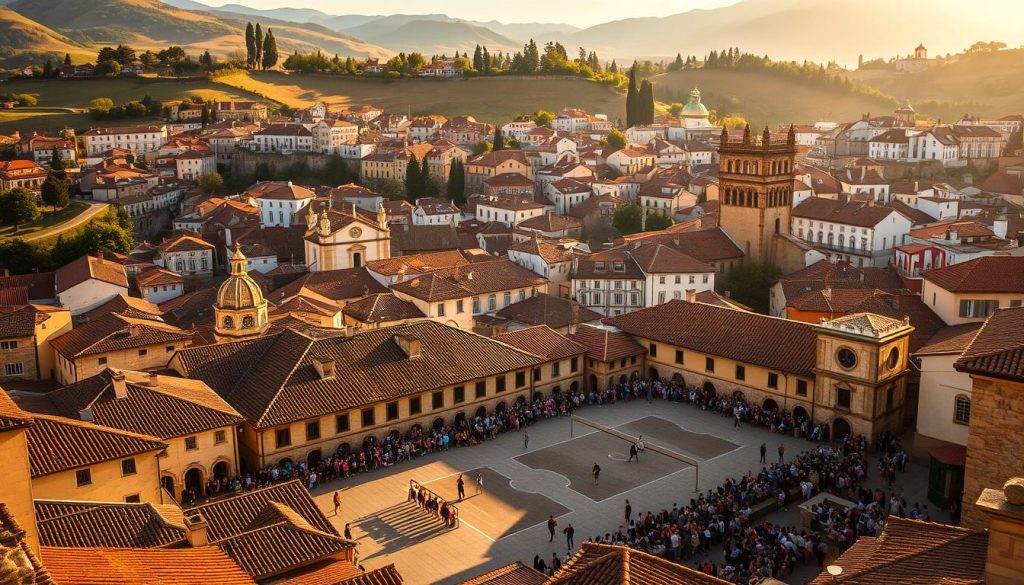
Gladiatorial Politics
Basilio’s palace is like the original battle royale arena. Every courtier’s smile hides a dagger and astrological predictions are like pre-game analytics. Segismundo’s journey from prisoner to prince is like every underdog sports movie.
- Rocky’s training montage = philosophical debates in a stone tower
- Rudy’s field triumph = Segismundo’s “to be or not to be” sword fight
- LeBron’s Decision = Basilio’s star-chart-driven succession planning
“What is life? A frenzy. What is life? An illusion.”
Astolfo’s political moves show the real game within the game. His secret engagement to Rosaura is like a modern athlete’s endorsement deal. It threatens his chance at the crown (or championship ring). Calderón’s courtiers use honor codes like today’s players use sponsorship clauses, showing some rules never change.
| 17th-Century Drama | Modern Sports |
|---|---|
| Royal succession disputes | Free agency negotiations |
| Astrological prophecies | Advanced player analytics |
| Honor-bound duels | Trash-talk press conferences |
This Spanish classic’s exploration of destiny speaks to our age of viral highlights and fantasy leagues. When Segismundo wonders if he’s “dreaming victory” or truly earned it, we hear echoes of every post-game interview. Calderón’s genius is in showing life’s ultimate competition – the battle for self-determination – as a game we’re all forced to play.
Further Study and Viewing Suggestions
Ready to explore Life Is a Dream more? The digital world has lots to offer, without the need for old books. Let’s build your Calderón collection without the headache.
Digital Deep Dives
Penguin Classics has an annotated edition of Calderón. It’s like having a witty friend explain history in the background. The Philosophy Bakes Bread podcast also dives into Segismundo’s decisions, mixing mezcal and Nietzsche for a unique twist.
Critical Companion Texts
Edwin Honig’s Calderón and the Seizures of Honor is a must-read. But, skip the parts that make allegory seem like math. For a visual treat, check out the Teatro Español’s 2022 production on YouTube. It’s a mix of Spanish Golden Age drama and Tron.
Watch the 1987 version with Antonio Banderas as Segismundo. His performance is intense and memorable. Pair it with María Cristina Quintero’s essays on power. She connects Calderón’s themes to today’s political dramas.
For something interactive, try the Madrid-based Siglo de Oro Festival’s VR experience. It lets you explore Segismundo’s tower. Just remember, you can remove the headset if reality gets too much.
