

What does Hamilton-level hype taste like? It’s like filet mignon with street tacos. Buffalo’s Theatre District Association showed Broadway how to make a season announcement big. Their 42nd annual Curtain Up! event is a mix of dinner, sneak peeks, and a block party.
This isn’t just handing out brochures with wine. It’s experiential marketing dressed up. Act I is fancy dinners downtown. Act II is short previews of upcoming shows. Act III is a Main Street dance party with showtunes.
The real magic? They’ve made a simple announcement into something everyone wants to talk about. While other theaters struggle to get noticed, Buffalo’s event creates buzz for 11 months. It’s like TED Talks with open bars and jazz hands.
Their secret? They treat the annual reveal like a big event, like Coachella. They mix exclusive dinner seats with free street events. This creates a buzz that’s both viral and community-driven. Even Lin-Manuel Miranda would be impressed.
The Seasonal Cycle of Announcements
Think theater seasons are planned over brunch? Think again. It’s high-stakes chess with curtain calls. The rhythm of season announcements is sharp, blending art with math. Timing isn’t just about dates—it’s about cultural weather patterns and award-season monsoons.
The Spring Rush and Award Timelines
April showers bring more than May flowers in theaterland. They unleash a torrent of reveals. Why spring? Two words: Tony eligibility.
Open a show too early, and it’s yesterday’s news. Too late, and you miss the nominating committee’s radar. The 2022 revival of Paula Vogel’s How I Learned to Drive debuted in March. It was strategic, like dropping a single before album release week.
Backstage math is key:
- Shows opening April-June get prime Tony visibility
- Revivals need 12-month lead times for star casting
- New works require test runs in regional theaters first
It’s like college football’s recruiting season, but with more sequins. Artistic directors juggle:
| Priority | Challenge | 2025 Twist |
|---|---|---|
| Award bait | Predicting cultural trends | Post-pandemic intimacy plays |
| Revival ROI | Millennial nostalgia factor | 90s classics with Gen-Z spins |
| New works | Unknown commercial risk | Interactive digital integrations |
The smartest theaters now treat their theater 2025 slates like prestige TV drops. They build anticipation with teasers and influencer cameos. In an age of TikTok, even Chekhov needs a marketing hook.
Building the Lineup: New Vs. Revivals Vs. Specials
Programming a theater season is like a mix of being a hedge fund strategist and a circus ringmaster. The 2024-25 Broadway announcements show a careful balance. Revivals keep things steady, new works boost credibility, and special shows grab social media attention. Let’s look at Buffalo’s lineup like a Tony voter with trust issues.
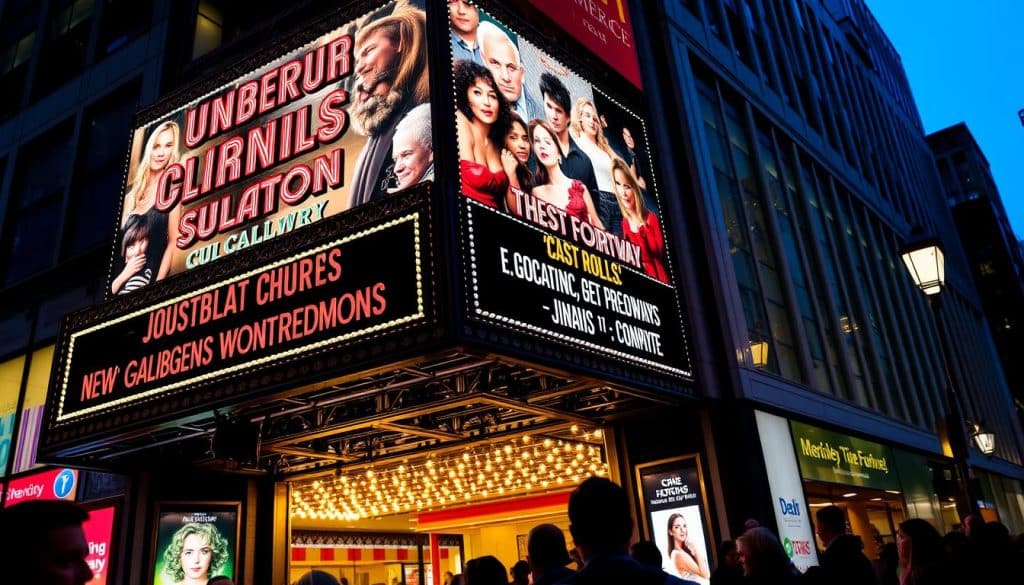
- Nostalgia machines: “A Streetcar Named Desire” revival starring TikTok’s favorite method actor as Blanche DuBois
- Bankable razzle-dazzle: “Dreamgirls” returning with enough sequins to blind a Las Vegas headliner
- Conversation starters: “The Last Croissant” – a stoner comedy about French pastry chefs that’s either genius or cultural arson
This mix works like magic. Revivals like “The Cottage” draw in suburban crowds. New works attract those who love to talk about what they saw. The goal is simple: For every bold choice, you need two safe bets.
“Our subscribers want comfort food, but our donors demand Michelin stars.”
The real magic is in how shows are scheduled. Start with a hit like “Dreamgirls” in September. Then, add the weird stuff in January, like “Croissant.” Finish with a classic in June, when tourists arrive. It’s all about keeping the audience happy, like serving kale chips with champagne.
Next time you see Broadway announcements, remember: Those glossy brochures hide the real work. It’s all about balancing risks and rewards, like a game played by Wall Street pros. The real drama isn’t on stage – it’s in the meetings.
Marketing Strategies: From Social Media to Streaming
Gone are the days of season announcements in thick paper mailers. Today, theaters use marketing campaigns as grand as a Sondheim finale. Shea’s Buffalo Theatre shows us how it’s done.
They treat promotions like Succession-level events. Their strategy has three acts:
- Backstage Access as Content Gold: The Cast Party podcast is like Hamilton: The Podcast meets TMZ. It talks about everything from costume mishaps to Tony gossip.
- Capital Campaigns Go Viral: Their Centennial Capital Campaign used TikTok videos. They showed construction crews auditioning scaffolding to Lizzo remixes.
- Teaser Culture Wins: Season reveals now have trailer reels as tight as a Broadway union contract. They end with cliffhangers (“Will the understudy save the show? Tag 3 friends to find out!”)
This isn’t just theater marketing – it’s world-building. Theaters use 100+ years of history to compete with streaming services. Shea’s recent Instagram Stories turned archival photos into “Which 1920s patron are you?” filters.
“We’re not selling seats – we’re casting audiences in an ongoing drama.”
The numbers show their approach worked: a 40% increase in digital engagement last season. Young professionals attend virtual cast Q&As like Comic-Con panels. Donors even cheer campaign updates set to Les Mis parodies.
As Broadway faces competition from streaming, regional theaters are leading the way. The key? In a world of endless content, season announcements must stand out from every distraction in someone’s pocket.
Notable Announcements for 2024–25 Seasons
This year’s theater lineup is like a mix of Jane Austen and TikTok. Three shows stand out, each with a unique flavor. They all say the same thing: nostalgia is great, but new ideas are even better.
Aphra Behn’s spy play is back after 350 years. This 17th-century writer gets a modern twist with codebreaking tech and a mix of harpsichords and synthwave. It’s like Bridgerton meets Mission: Impossible, but with a feminist twist.
The Outsiders gets a new look with immersive projections and a grunge-punk score. The actors haven’t seen the 1983 film, making it fresh and full of Gen Z angst.
Marivaux’s The Game of Love and Chance is turned into a reality TV satire. It’s a mix of French farce and Succession, with a “who will inherit the chateau?” twist.
The Cottage is a comedy that knows it’s funny. It’s like Fleabag but with more doilies. The show has six characters, three secret affairs, and a talking parrot.
Theaters are playing it safe with familiar titles but adding new twists. It’s like a magician’s trick, where you think you know what’s coming but then something unexpected happens. For theater 2025, the real show is seeing how audiences react to these surprises.
Star Power and Audience Targeting
Today, theater casting is all about mixing stars with local charm. Buffalo’s sidewalk star for Anne Gayley is a perfect example. It’s not just pride, but a smart way to attract fans.
Regional theaters use local nostalgia to draw crowds. Broadway, on the other hand, goes for big-name casts. It’s like a high-stakes game of who can get the biggest star.
There are two main strategies:
- Nostalgia Mining: Mary Louise Parker’s return in Drive revival targets Gen Xers who loved her in Weeds.
- Hometown Hustle: Gayley’s sidewalk honor brings in Buffalo theater fans.
- Generational Splits: The Last Croissant appeals to TikTokers with its humor. Streetcar remounts aim for boomers’ love of Blanche DuBois.
| Tactic | Gen Z Bait | Boomer Catnip |
|---|---|---|
| Casting | TikTok influencers in ensemble roles | Reunited original Broadway casts |
| Themes | Climate anxiety soliloquies | Midlife crisis revivals |
| Marketing | Instagram AR filters | NPR pledge drive-style radio spots |
The real magic happens when these strategies meet. Parker’s casting is more than just fame. It’s a battle across generations.
Her fans from Proof add cultural value. Fans of Red Oaks bring a modern touch. Buffalo’s sidewalk star is a cheap yet effective ad for the theater district.
As budgets shrink, theaters focus on casting wisely. That sidewalk star is a cheap yet effective ad. Next season’s challenge is to balance tech with old-school magic.
Behind the Scenes: How Seasons Are Chosen
Choosing a theater season is like making a playlist for someone who’s hard to please. Artistic directors have to balance what the audience wants, what donors expect, and the fear of last season’s failures. For example, David Mamet’s American Buffalo revival didn’t do well, showing that tastes have changed.
It’s like playing a game of musical roulette. Committees consider:
- Revivals of “safe” classics (Funny Girl needed 17 script changes to fit today’s taste)
- New works from popular playwrights (like Jeremy O. Harris’ trendy plays)
- Wildcards for experimental pieces (a mix of Hamilton and Beckett)
“Programming political satire alongside Godspell? That’s our version of counterprograming the Marvel universe.”
Now, data analysis plays a big role in these decisions. It looks at ticket sales and social media to guide choices. But, as one producer said, no data can predict a hit like 70s cult flop becoming popular again.
The real challenge is mixing creativity with keeping the theater afloat. Revivals of hits like Rent or Chicago help fund new, riskier shows. But with streaming taking talent, theaters must also compete with shows like Stranger Things: The Musical Experience.
Choosing seasons is like playing a game of chance. Do you go for a play that critics love but audiences don’t, or for musicals with American Idol stars? The choices made in 2024 will show if they were right or not.
The Digital Shift: Engaging Beyond the Stage
When did intermission become a content strategy? Theaters have turned into multimedia empires. They create stories that go beyond the stage. Shea’s Buffalo Theatre, for example, has podcasts that dive deep into 1920s costume design.
They also live-tweet rehearsals, adding a touch of drama. This approach is far from the old days of playbills and press releases. It’s all about building a world for today’s audience.
Here are three ways theaters are changing the game:
- Streaming as dress rehearsal: The West Side Story remake’s Disney+ release became Broadway’s ultimate audition tape
- Backstage as front row: Historic tours now feature AR overlays showing ghost light placements from 1932
- Fandom as currency: Exclusive Discord channels for season ticket holders (NFT optional but encouraged)
CODA’s Oscar win showed us audiences want hybrid experiences. They want the energy of live shows and the ease of digital access. Today’s Broadway announcements are more than just casting news. They’re invitations to join a bigger story.
“We’re not selling seats – we’re recruiting co-conspirators for cultural moments.”
This digital shift solves an old problem: making ephemeral art last. The answer? Turn curtain calls into online hits. When your closing night gets more views than a Marvel trailer, you’ve won the game.
Conclusion: Sustaining Theatrical Magic All Year
Theaters now treat seasons like jazz improvisations – with structure and surprises. Curtain Up! doesn’t just announce a season; it creates a year-long story. From September to spring, and summer workshops to TikTok teasers, it’s a live documentary.
Gilded Age shows us how to turn theater into prestige TV. They engage audiences with hints and sneak peeks. It’s not just buying tickets; it’s subscribing to a layered experience.
This isn’t desperation. It’s a new approach. Theaters aim for ongoing excitement, not just applause. They make emails as engaging as Netflix shows. The goal? To keep the conversation going all year.
The house lights aren’t going down; they’re just changing focus. Theaters focus on slow-burning stories that start months before the show. The question isn’t “What’s playing?” but “What’s coming?” And for 2025, the answer is always “Encore in progress.”
