

AMC’s Sightline pricing is more than just a dollar more for center seats. It’s a survival plan for an industry facing tough competition from streaming. It’s like Scorsese speaking directly to us, reminding us that every seat matters.
When Cleveland Public Theatre saw a 63% drop in attendance from 2002, your choice of seat became a form of economic performance art. That expensive front row ticket? It helps fund experimental theater that makes Netflix’s algorithms go haywire.
Buying tickets is not just a transaction. It’s cultural resistance. AMC uses price tiers to stay afloat, while indie theaters like Cutting Ball turn your $35 seat into fuel for shows that would be canceled quickly. Your credit card swipe keeps avant-garde alive in a world where “content” is churned out like factory-farmed TikTok trends.
Let’s look at the numbers. If 72% of performing arts attendees are repeat visitors, every ticket purchase has a big impact. You’re not just watching actors perform – you’re bankrolling the next generation of risky, raw art that algorithms would smother. Now that’s a finale worth applauding.
The Importance of Direct Support
Let’s cut through the velvet ropes: Your local theater isn’t Disney+. Streaming giants focus on subscriber numbers, but live venues struggle with empty seats. The pandemic showed us screens can’t replace the magic of live moments. But it also revealed a harsh financial truth.
Why Venues Can’t Netflix-and-Chill
Regal Cinemas filed for bankruptcy, like a Blockbuster sequel no one wanted. Streaming services love couch potatoes, but live venues need active participants. A dark theater costs $15,000/week, according to Broadway League data.
That’s 600 unsold $25 tickets just to break even. Numbers that make Hamilton’s $199 premium seats look like a fire sale.
The Harsh Math of Empty Seats
Cleveland Public Theatre’s radical solution? Let patrons choose what they pay. Their model reveals the dirty secret of arts funding:
| Venue Type | Average Subsidy Per Ticket | Break-Even Occupancy |
|---|---|---|
| Nonprofit Theater | $18 | 92% |
| Movie Chain | $4 (concessions) | 35% |
| Concert Hall | $22 | 88% |
See that $18 gap? That’s where your donation becomes the hero. While AMC sells $5 Tuesday tickets (then $12 popcorn), experimental theaters rely on supporters. They understand art isn’t a commodity – it’s oxygen for communities.
Every “pay what you can” contribution isn’t charity; it’s cultural triage.
Here’s the encore no one wants to hear: If every attendee gave just $5 beyond ticket price, 76% of regional theaters could eliminate deficit spending. Your direct support doesn’t just fill seats – it keeps the spotlight on.
Ticket Purchase = Community Investment
What if your theater seat was also a shareholder’s chair? Buying tickets to shows like Bipolar! The Musical means more than just a seat. It’s an investment in the arts. Ben Hawes’ dorm-room play became a hit at the Public Theater thanks to $35 investments from fans who saw its value.
From Spectator to Stakeholder
Let’s look at what your ticket really means. It’s more than just a ticket stub:
- A mic drop for marginalized voices
- Seed money for tomorrow’s Tony winners
- Cultural voting rights in what stories get amplified
“Every laugh during our previews felt like stock options vesting,” Hawes says. “Audience members became our board of directors through standing ovations.”

This isn’t just giving money away. It’s artistic compound interest. That college kid’s dream you supported last season? They’re now working on a Broadway show. Here’s how it adds up:
| Your Investment | Cultural ROI |
|---|---|
| 1 Ticket = 1 Night Out | Supports 5 Emerging Artists |
| Season Pass = 6 Shows | Funds New Script Development |
Today’s membership benefits are more than just good seats. They give you a peek behind the curtain of cultural change. You’re not just watching a show; you’re helping shape the future of theater.
So, when choosing between streaming and live theater, think about it. Netflix might not give you a dressing room. But that small theater could name a room after you. It’s a chance to leave a lasting mark.
Membership Perks and Donor Benefits
Let’s cut through the velvet rope: Most loyalty programs treat patrons like extras, not co-directors. While AMC Stubs members fight for free nacho refills, arts organizations are changing the game on membership benefits.
More Than Just Prime Seating
The Cutting Ball Theater’s donor program is way ahead of AMC’s Stubs. Their tiered system offers:
- Script development sessions where donors debate Chekhov revisions with directors
- Cast “wine-downs” that spill more backstage tea than a prop room kettle
- Voting rights on which experimental plays get greenlit
This isn’t just patronage – it’s creative collusion. As one donor said during intermission: “I didn’t just buy tickets – I bought into the artistic equivalent of insider trading.”
The VIP Experience Demystified
Let’s look at what really matters in season pass programs:
| Typical Perks | Disruptive Benefits |
|---|---|
| Priority seating | Script consultation credits |
| Free concessions | Dramaturgical deep dives |
| Early ticket access | Casting input sessions |
Chicago’s Court Theatre goes even further with their “Text & Context” series. Imagine getting annotated scripts with director’s notes before opening night. It’s like getting secret artistic intel, without the government clearance.
These programs turn spectators into story architects. Why watch the play when you can help rewrite the third act? That’s the difference between buying a seat and owning a piece of the stage.
Easy Steps to Buy or Give
Buying event tickets shouldn’t be hard. Unlike major platforms, some venues make it easy with donor-first design.
From Browser to Benefactor in 3 Clicks
CPT’s system is as smooth as jazz. They avoid being like Game of Thrones season 8 by making it easy:
- No membership maze: No need to subscribe to get discounts. They’re upfront and clear.
- Social sharing built-in: Share your purchases easily with friends.
- One-click philanthropy: Their “Pay It Forward” option is quick and satisfying.
Gifting Culture Without the Awkwardness
Donation pages can feel like a PBS pledge drive. CPT’s approach is more like Ted Lasso:
“We designed giving to feel like passing a program to your seat neighbor, not begging for alms.”
The key is customization before payment. It’s like adding a personal touch, not being forced to give. It’s the difference between finding Hamilton tickets or getting Venmo-begged by distant cousins.
Inspiring Stories from Supporters
Behind every curtain call and sold-out show lies a secret weapon: humans who support the arts like it’s their second job. Let’s look at two tales where donations didn’t just fill seats—they rewrote the script.
When Checks Become Standing Ovations
Bipolar! The Musical was a production that vanished fast. But 87 superfans turned into Kickstarter vigilantes. They funded lighting rigs like buying rounds at a dive bar, shouting: “Encore, dammit!”
This led to a revival that outgrossed its original run. It showed that strategic donations can bring art back from the dead.
On the other hand, AMC’s senior discount flop was a big mistake. Their algorithm-driven approach failed miserably. But, 80 for Brady by Paramount was a huge success:
- Hosted free screenings at retirement communities
- Partnered with Medicare Advantage plans
- Turned octogenarian fans into TikTok ambassadors
Anonymous Angels, Spotlighted Impact
The real magic happens when nameless patrons make a difference. One mystery donor funded Bipolar!’s entire accessibility program. They whispered through their accountant:
“Make sure the guy in the back row hears every note.”
This isn’t charity—it’s cultural jiu-jitsu. While AMC tried discounting its way to relevance, Paramount focused on donate-and-engage. The results were amazing:
| Approach | ROI | Cultural Impact |
|---|---|---|
| Algorithm discounts | 12% attendance | 1-star memes |
| Community-focused donations | 63% retention | 3 spin-off projects |
These stories show a truth Broadway and Hollywood often forget. Supporting the arts isn’t just about filling coffers. It’s about funding standing ovations that echo through generations. And sometimes, the loudest cheers come from those who never take a bow.
“Season Pass” Model in Sports and Arts
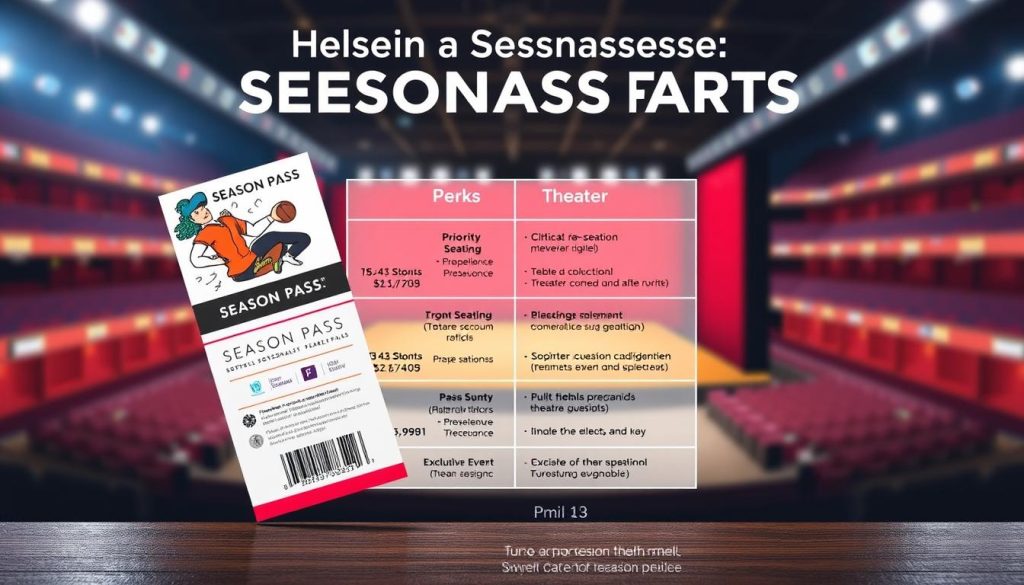
Season passes are like the ultimate multi-tool for culture lovers. They can get you seats right next to the action or tickets to cutting-edge shows. But what happens when these passes start to feel like too much? Let’s explore how your money impacts more than just your social life.
From Courtside to Curtain Call
The Golden State Warriors offer $250K courtside packages, while Cutting Ball Theater has $150 flex passes. Both show that support purchase actions can lead to deeper connections. Even though LeBron’s games and experimental theater seem different, they both teach us that consistency builds community.
NBA season ticket holders get more than just great seats. They also get:
- Access to draft nights
- Meet-and-greets with players
- First chance at playoff tickets
Cleveland Play House offers “Choose Your Own Adventure” subscriptions. It’s like a personalized Spotify playlist for theater lovers.
Subscription Culture’s Double-Edged Sword
AMC’s Sightline pricing is a lesson in how not to do it. It’s like charging more for better seats on a plane. On the other hand, Portland Center Stage’s “Pay What You Will” nights show the power of kindness over price.
When places reward curiosity over loyalty, magic happens. San Francisco Ballet’s “Discover Dance” package includes:
- Pre-show mixology classes
- Zoom chats with choreographers
- Post-show DJ sets
This isn’t just upselling. It’s building community through shared discovery. When you buy a support purchase action, you’re not just getting tickets. You’re investing in cultural treasures.
Next-Level Engagement: How to Help Beyond Buying a Ticket
True cultural impact starts when ticket stubs become launchpads. Alamo Drafthouse’s community screenings show that supporting venues is more than just filling seats. It’s about fueling entire ecosystems. But how do you move from being a casual consumer to a creative partner?
From Wallet to Welcome Committee
Cleveland Public Theatre’s Raymond Bobgan gets it: Audiences are co-creators, not just ATMs. Show your support like you’re promoting your favorite band on TikTok. Tag artists in your Instagram stories and host salons to discuss the latest shows.
Turn post-show drinks into meetings to boost attendance. This way, you’re not just a fan; you’re a key player in the theater’s success.
The Curator in All of Us
Your couch potato cousin might share Netflix passwords. You could share tips on grant writing instead. CPT’s “audience-as-artist” model lets supporters donate time as jurors or volunteer as hybrid ushers.
Ever thought about sponsoring a lighting cue? Underwriting intermission snacks is also a way to support the arts. This isn’t just about giving money. It’s about becoming the person who texts friends to join you at a show.
When you donate your time and money, you’re not just filling seats. You’re helping rebuild theaters as community hubs. It’s about sharing links and sparking excitement, one burst at a time.
