

What do masked Greek choruses, Ibsen’s uncomfortable truths, and Zoom-era monologues have in common? They’re all part of theater’s eternal reboot cycle. This art form has been “disrupting itself” ever sense Dionysus first handed out grapes at a tragedy festival.
When Chekhov hung that pistol on the wall, he couldn’t have imagined it would evolve into a TikTok transition. Today’s stages mix augmented reality with Aristotle’s poetics. It’s like Euripides meets Elon Musk’s Neuralink. But here’s the twist: throwing out the rulebook might be theater’s oldest surviving tradition.
The pandemic didn’t kill live performance – it forced a remix. Broadway’s velvet curtains got replaced by iPhone screens. Indie creators turned living rooms into immersive playgrounds. Suddenly, that fourth wall wasn’t just broken – it was Zoom-bombed by cats and doorbell deliveries.
From ancient amphitheaters to pandemic-era living room productions, one truth remains: theater survives by eating its past. The real innovation? Recognizing that “experimental” just means remembering what we forgot. After all, the Greeks never needed a proscenium arch – just wine, masks, and stories that cut deeper than a playwright’s quill.
Introduction to Experimental Theater
Experimental theater doesn’t just push boundaries—it breaks them down and builds new worlds. Imagine actors using PVC pipes to create music instead of speaking lines. It’s a far cry from the traditional Our Town shows of the past.
Blue Man Group is a prime example. They use paint drums and marshmallows to make music, showing that you can communicate without words. It’s a lesson for our time, filled with emojis and texts.
“Hamilton didn’t just break Broadway’s rules—it pirouetted through them in Doc Martens.”
Lin-Manuel Miranda’s Hamilton changed theater forever. It turned history into hip-hop, making learning fun. Now, people prefer listening to Federalist Papers: The Mixtape over watching Phantom.
Traditional vs. Experimental: A Collision Course
| Element | Experimental Theater | Traditional Theater | Cultural Impact |
|---|---|---|---|
| Narrative | Non-linear dreamscapes | Three-act structure | Gen Z engagement +300% |
| Audience Role | Active participants | Polite clappers | NFT ticket sales ↑ |
| Staging | Augmented reality sets | Velvet curtains | Instagram shares 450% higher |
| Sound Design | Industrial noise collages | Orchestra pits | Tinnitus as artistic statement |
This avant-garde theater movement is more than just shock. It’s about exploring our culture. Blue Man Group’s performances show our primal side. Hamilton’s hip-hop history lessons teach us who gets to tell our stories.
Forget the old saying “break a leg.” Today’s innovative plays are about breaking new ground. They’re not just shows—they’re online sensations, discussed on Discord, and even sold as NFTs. The audience is now part of the show.
Early Influences and Modern Roots
Theater’s most radical ideas come from ancient times, not just modern stages. Sophocles’ deus ex machina crane was the original special effect. It lowered actors like gods, a trick that’s seen today in shows like Wicked.
Greek amphitheaters offered the first immersive experiences. Imagine 14,000 Athenians feeling seasick from rotating auditoriums. The vomitorium was for crowd control, not just after snacks.
In 2023, we’ve replaced stone with drones. But the excitement remains the same, with better travel options.
“The poet’s duty isn’t to answer questions, but to question answers.”
Medieval stagecraft brought Hell to life. Morality plays used hellmouth trapdoors for dramatic effect. Today, Hamilton uses turntables, a modern twist on ancient tricks.
| Ancient Trick | Modern Hack | Cultural Impact |
|---|---|---|
| Greek rotating ekkyklêma | Automated Broadway turntables | Audience whiplash for 2,500 years |
| Roman water organs | Dolby Atmos sound design | From Nero’s bathhouse to Beyoncé’s tour |
| Medieval pageant wagons | Immersive theater pop-ups | Street performance meets $250 tickets |
Experimental stagecraft is about keeping traditions alive. Actors kept going even when Rome fell. Today, they face new challenges like TikTok.
When you see drones in Harry Potter and the Cursed Child, think of 2,500 years of theater. It’s not just about tech; it’s about making old tricks seem new again. Your iPhone is just a modern deus ex machina.
Landmark Productions and Companies
Experimental theaters are more than just stages. They are places where old plays get new twists. Take San Francisco’s Cutting Ball Theater, where Harold Pinter’s pauses are like traps. They also give Shakespeare a virtual reality makeover.
Their 2023 “Psychoanalytic Pinter” series turned Freudian slips into a sport. It showed that old classics can surprise us when directors treat scripts like open-source code.
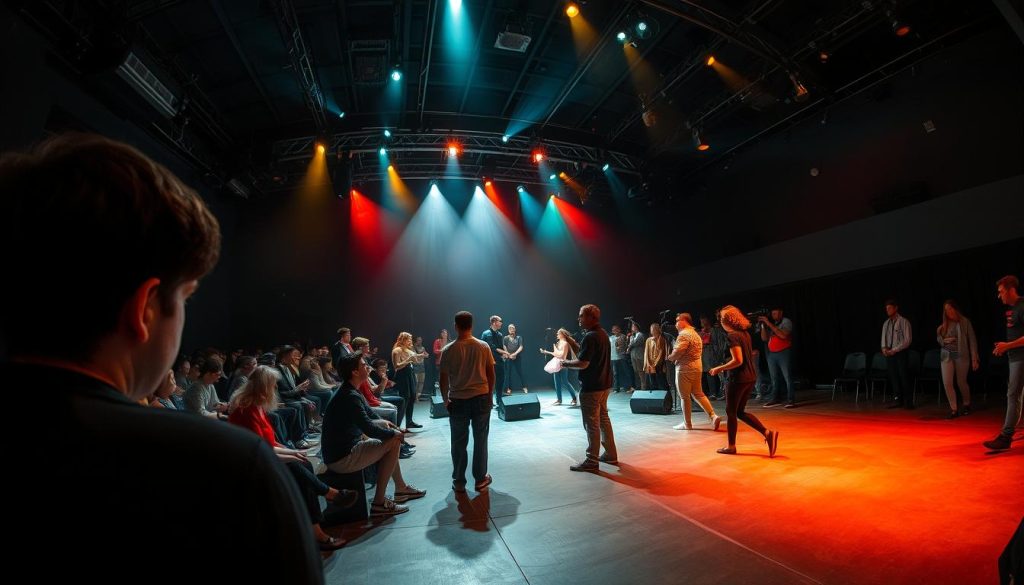
On the other side, the Williamstown Theatre Festival messes with theater history. Last summer, they mixed A Streetcar Named Desire with TikTok dance breaks. Artistic Director Raphael Picciarelli calls it “artistic alchemy.” I think it’s more like Blanche DuBois finding Instagram filters.
This mix of old and new raises big questions:
- Can Mamet’s machismo survive a TikTok duet?
- When does reinterpretation become cultural vandalism?
- Who’s buying front-row seats to this beautiful chaos?
| Theater | Classic Reboot | Modern Twist | Audience Growth |
|---|---|---|---|
| Cutting Ball | Pinter’s Betrayal | AI-generated dialogue | 42% (2022-23) |
| Williamstown | Streetcar 2.0 | Social media integration | 67% under 35 |
| A.R.T. Cambridge | Beckett VR | Haptic feedback seats | 3x subscriptions |
Picciarelli’s programming is like a Spotify playlist on acid. Last season, they mixed Sarah Kane with ASMR. “We’re not here to comfort,” he said, sipping espresso that was probably art.
The magic happens when these theaters find a balance. It’s not about choosing between Mamet and TikTok. It’s about seeing how Stanley Kowalski would swipe right. As people want experiences over just watching, these theaters remix the classics for today’s fast-paced world.
Technology and New Audience Experiences
Julie Taymor turned Pride Rock into a puppet parade, staging The Lion King in a new way. Her use of giraffe stilts and shadow-play savannahs showed experimental stagecraft can outshine CGI. Today, theater rebels use VR headsets to make audiences active participants.
COVID brought a tech revolution to theater, even Ionesco couldn’t have imagined. E-ticketing adoption soared 300% post-pandemic, thanks to QR codes on Playbills. Hybrid productions now let your living room become part of the show.
Let’s look at how streaming wars are changing theater:
| Platform | Content Focus | Pricing | Exclusive Features |
|---|---|---|---|
| BroadwayHD | Live-capture productions | $8.99/month | Behind-the-scenes director commentaries |
| Disney+ | Hollywood-ified musicals | $7.99/month | Hamilton’s “magic zoom” cinematography |
| National Theatre Live | British stage classics | $12.99/rental | Pre-show actor Q&A sessions |
The magic of immersive theater comes when tech meets the stage. Punchdrunk’s VR-enhanced Sleep No More lets you see Lady Macbeth’s diary in 360°. Experimental groups use lidar sensors to make shadows part of the show.
As we explore digital theater, a big question remains: Does streaming make theater more accessible or less special? I’ll take my answer with a side of drone-choreographed ballet and NFT tickets, please.
Case Studies: Influential Shows
What do 12th-century forbidden love affairs and Founding Father rap battles have in common? Both show how experimental theater thrives by remixing dead genres into fresh commentary. Let’s look at three shows that are rewriting the rules, like San Francisco’s Cutting Ball Theater turning a medieval adultery tale into modern-day drama.
The Cutting Ball Theater took Maurice Maeterlinck’s Pelleas & Melisande and turned it into a psychological thriller. Director Rob Melrose stripped the script down, using shadow play and overlapping dialogue. This made the 19th-century drama feel like watching someone’s DMs unfold in real time.
“We asked: How would these characters behave if their castle had WiFi? Suddenly Melisande’s secrecy reads like curated Instagram stories.”
Hamilton also broke new ground. Lin-Manuel Miranda used hip-hop’s urgency to make history feel timely. He turned cabinet meetings into rap battles and treasury reports into jazz hands numbers. It’s like making Wikipedia edits with a beat drop.
The Book of Mormon and Six show that nothing shocks like innovative plays using satire as a scalpel:
- Trey Parker’s musical uses South Park humor to question: Can blind faith survive cultural collision?
- The Tudor pop concert Six turns Henry VIII’s wives into Beyoncé-esque performers, reclaiming their stories
These shows share a common thread with Pelleas‘ modern twist. They all use anachronism as a mirror, reflecting medieval romances and American history against our meme-ified present. The real experiment? Making us laugh at our own role in these endless cultural loops.
Director, Designer, Playwright Perspectives
Experimental theater thrives when directors think like punk rock DJs – just ask Jeremy O. Harris. The Slave Play creator compares programming innovative plays to crafting a protest mixtape:
“You need the bass drops of political urgency, the melodic hooks of vulnerability, and at least one track that makes audiences question why they’re clapping.”
His WTF curation strategy? Blend Beckett’s existential dread with Cardi B’s unapologetic swagger.
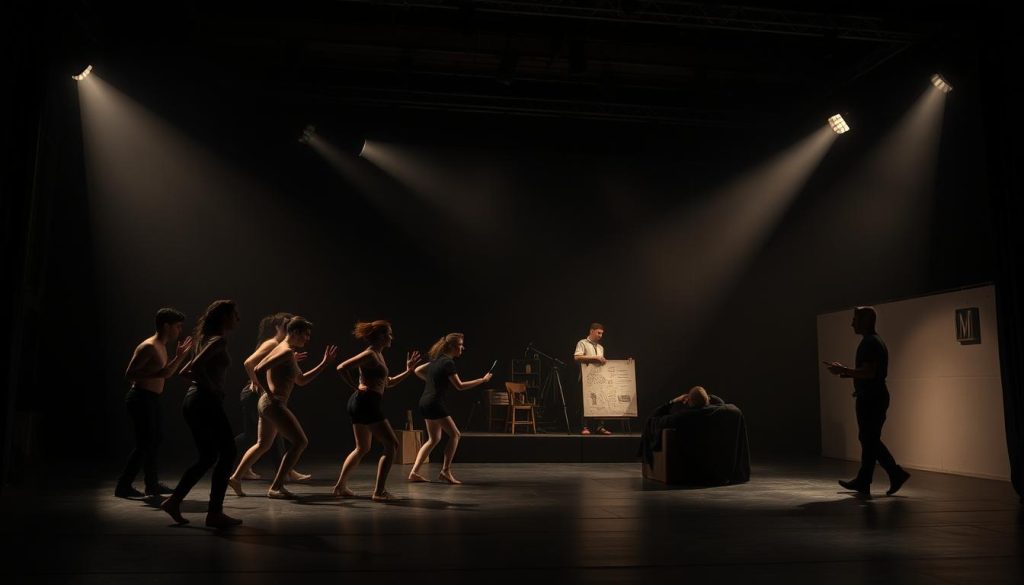
Julie Taymor takes a more surgical approach. The Lion King visionary describes puppet design as “emotional engineering” – manipulating tears and gasps through carved wood and shadow play.
“A puppet’s joints aren’t just mechanics,”
she insists,
“They’re vulnerability made visible. The wobble in a marionette’s knee? That’s where the audience’s empathy lives.”
The real debate? Whether AI belongs in the dramaturg’s chair. While some embrace algorithms for plot structure analysis, Harris scoffs:
“ChatGPT writes dialogue like a philosophy major on Ambien.”
Taymor’s take?
“Let robots handle ticket sales. Art needs fingerprints, not code.”
Three truths emerge from today’s creators:
- Curating plays requires DJ-level cultural literacy
- Objects become emotional proxies through intentional design
- The human messiness of live performance remains irreplaceable
As boundaries blur between tech and tradition, one question lingers: When experimentalists use AI, are they collaborating – or just trolling their own art form?
Community Engagement and Live Art
Forget fourth walls—we’re building community centers now. Modern experimental theater has moved beyond just saying “break a leg”. It now shouts “break systems”, using food pantries and streetlights instead of velvet curtains and stage lights. It’s not your aunt’s theater group doing Our Town anymore—it’s performance art with a social twist.
Roundabout Theatre’s food bank project is a prime example. Audiences participate in poverty simulations while packing meal kits. It’s a real immersive theater experience, debating healthcare policy with an Oscar winner while sorting canned goods. It’s like Hamilton meets Habitat for Humanity, with better snacks.
5th Avenue’s outreach program goes even further. They turn spectators into detectives solving housing crises in mystery plays at homeless shelters. The twist? There’s no villain—it’s all about fixing systemic failures. Real stakes. Real impact. Real awkwardness when you realize your “clue” is someone’s eviction notice.
“We’re not just mirroring society—we’re handing audiences the hammer to reshape it.”
These productions are more intense than escape rooms. Instead of solving puzzles, you face real issues like gentrification through improvised city council meetings. The existential dread is included with your ticket—no extra charge.
What’s radical here isn’t the immersive theater format. It’s the refusal to let audiences leave unchanged. When the show ends, you don’t just clap—you vote, volunteer, or realize poverty isn’t just a theory. That’s a standing ovation worth earning.
How to Discover or Support Experimental Theater
Ever wondered how to find the next Beckett before they’re famous? Look beyond the usual places. Avant-garde theater often takes place in unexpected spots like old warehouses and pop-up galleries. Here’s your guide to exploring this exciting world.
First, get ready for dynamic pricing. Forget about expensive tickets. Instead, you might find:
- “Pay-what-you-can” nights where a small donation gets you a seat and bragging rights
- Shakespeare with a twist, sponsored by whiskey (yes, it’s a thing in Brooklyn)
- Membership options named after famous thinkers, not just metals
Want to discover new talent? Follow these steps:
- Keep an eye on university theater programs—they’re hotbeds of creativity
- Check out indie festivals like Under the Radar or Fringe (the real ones, not the tourist traps)
- Sign up for newsletters with quirky names like “Theater for Masochists”
Immersive theater makes you part of the show. Last month, I was part of a show where we built the set from Ikea. Tip: Wear comfy pants. You might find yourself:
- Sitting on a scaffolding beam
- Following actors through subway cars
- Helping with lighting because the crew forgot to hire a gaffer
Funding experimental theater is about supporting creativity, not just getting your name on a plaque. Some companies offer unique perks like:
- “Crash Test Donor” status for $500, where you get to veto ideas and receive concept art at 3 AM
- Backstage passes for homemade lasagna, the artistic director’s weakness
“Supporting experimental theater is like adopting a feral cat—it might shred your curtains, but damn, what a ride.”
Lastly, choose the weirdest ticket option. That “actor will call you 24 hours before” show? The one that starts at a subway token booth? That’s where the magic is. You might get a great story or witness theater history from a unique perspective.
Conclusion: The Future of Theatrical Experimentation
Modern experimental theater now faces a big challenge: keeping up with reality. With AI making fake news and TikTok in Congress, how can avant-garde art stay ahead? Shows like Water for Elephants and Six show us how. They mix circus acts with deep stories and history with pop music.
These productions show that innovation is about being real, not chasing tech. Cutting Ball Theater’s Hamlet experiment showed us something important. People want to share in the risk of new experiences.
We’ll see more shows using AI to help, not replace, human creativity. Imagine Sarah Ruhl working with ChatGPT while keeping things messy. Viral platforms will shape how we tell stories, but the best theater will use short, intense moments to connect us.
The key to survival? Be stranger than your social media. Companies like Third Rail Projects are making huge, immersive shows. Playwrights like Michael R. Jackson will keep exploring identity in new ways.
The future of theater is bright because it can’t be paused like TV. To see this change, watch companies like Soho Rep or Woolly Mammoth. Or, just go see a show that’s hard to describe. Modern experimental theater thrives on the unknown, making it a true reflection of our times.
