

Imagine a Dallas playhouse bringing back a drama with billionaire investors and AI scripts. Theatre Three’s 2025 season is a mix of Broadway and Shark Tank, with a Texas flavor. How does a 58-year-old theater survive construction issues and lack of funds? It does so by changing the rules quickly, like ChatGPT writes sonnets.
Last year, the theater faced a big fundraising crisis. It almost became “that building next to the parking garage.” Now, they’re booking shows like a streaming service picks content. The key is mixing digital innovation with traditional theater, something Lin-Manuel Miranda would approve of.
This isn’t just a story of survival. It’s a lesson in cultural jiu-jitsu. The theater uses technology without losing its heart, attracting big money without compromising its values. The 2025 lineup includes augmented reality Shakespeare and intimate dramas, showing innovation and tradition can coexist.
As the stage is being renovated, I wonder: Is this the end of regional theater or its glorious cyborg rebirth? One thing is clear – the drama offstage is as exciting as the performances.
Introduction: A Changing Landscape
Broadway is like a roulette wheel, with private equity firms betting big. But the ball keeps landing on bankruptcy red. The theater world has turned into a survival thriller, more exciting than Hamilton‘s first act.
Let’s look at some numbers that hurt more than a scalped Hamilton ticket. In 2025, 16% of Broadway houses were dark, up from 10% before the pandemic. That’s a lot of empty seats, enough to make Phantom’s chandelier blush.
Blackstone’s possible ATG acquisition is like a big bet on Broadway. It’s a billion-dollar deal, not a small-time investment. Philip Boroff says today’s producers face vulture capitalists, not just applause.
Millennials are choosing avocado toast over $300 orchestra seats, according to Ken Davenport. This is a big change. Chris Peterson is trying new ideas to attract audiences:
- Free preview nights for essential workers
- Dynamic pricing that’s affordable
- Digital lottery systems that favor humans
“We’re not just selling tickets – we’re rebuilding trust,” Peterson said, sipping coffee from a mug that read “Exit, Pursued by a Bear Market.”
The real story is in the numbers. They tell a story more compelling than a Sondheim lyric:
| Year | Avg. Ticket Price | Closure Rate | PE Investment |
|---|---|---|---|
| 2019 | $125 | 10% | $2.1B |
| 2025 | $189 | 16% | $4.8B |
See that 129% increase in private equity money? It’s not charity – it’s distressed asset shopping. I’m left wondering: Is art dying, or is a new, leaner machine being born?
The answer might be in the darkened theaters. Each closed theater is a blank canvas. The real question is: Can old-school showmanship survive with spreadsheet jockeys?
The State of Community Theater Post-2020s
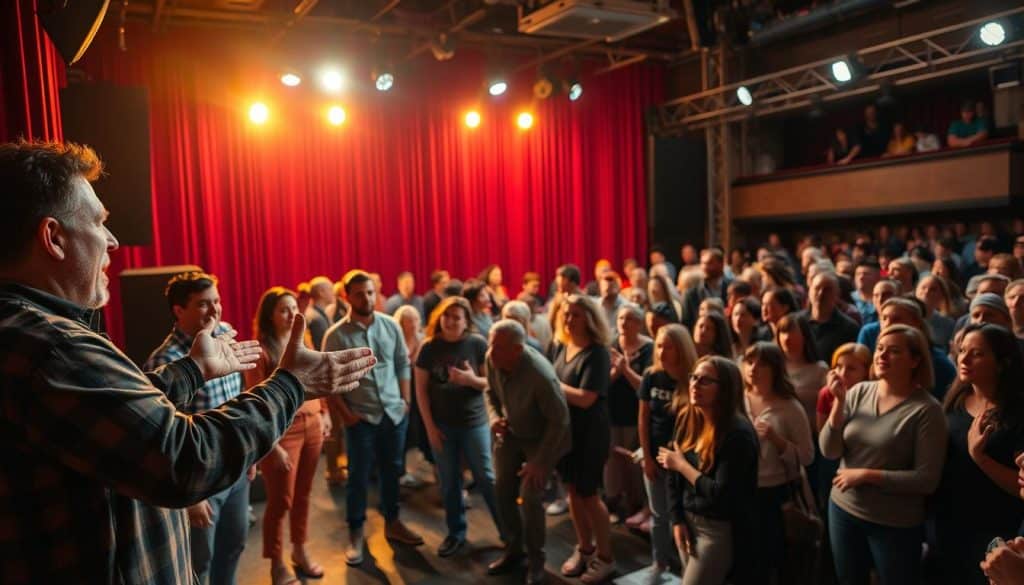
Community theaters are like the Fool in Shakespeare, surviving every challenge. The pandemic turned these stages into survival labs. They now balance ticket sales with emergency care.
Curtain Calls Comeback
Dallas’ Theatre Three faced a big challenge. Construction delays and condo fees threatened their 58-year run. They quickly raised $200K to save their theater.
Their strategy was led by Artistic Director Jeffrey Schmidt. He made a bold move, inspired by Hamilton.
“We stopped trying to out-Broadway Broadway. Now we’re the neighborhood bistro of theater – prix-fixe Agatha Christie with pay-what-you-can Thursdays.”
Their survival plan is a mix of old and new:
- 7PM shows for commuters who think 8PM is past bedtime
- Flexible pricing tiers that make airline seats look simple
- Revivals so nostalgic they should come with a vinyl soundtrack
Broadway’s Great Comet failed, spending $14M. But community theaters focused on local relevance. Theatre Three’s attendance is now back to pre-pandemic levels.
After Jac Alder left, new leaders brought fresh ideas. They work like tech startups, using data and Hamilton jokes. They see survival as an art, not just numbers.
New Technologies and Audience Engagement
Theater tech in 2025 is like Tony Stark directing Our Town. It’s a mix of new and old that creates excitement and confusion. From AI captions to TikTok backstage peeks, the tech is amazing. But, like a Shakespearean actor with a hologram, it’s hard to get it right.
Inclusive and Accessible Programming
Captitles’ AI surtitles are a success. At a recent Fences revival, it translated dialogue in Spanish and ASL live. This was without the usual clunky projections. On the other hand, BroadwayHD’s streaming lets digital audiences watch from home. But they miss the excitement of a chandelier falling in Phantom.
Here are three ways theaters are making things better:
- VR pre-shows that show what happens backstage (hint: it’s mostly coffee spills)
- AR playbills that reveal actors’ TikTok talents
- Dynamic pricing that’s easy to understand
But for every Lehman Trilogy success, there’s a “Sleep No More” that confuses people. The score? Innovation A+, but execution is a C-. An artistic director said, “We’re not just competing with Netflix—we’re fighting our own tech team’s pride.”
The real success is in community theaters. They use Zoom for post-show talks. Suddenly, Grandma in Nebraska and a Gen Z influencer can discuss Ibsen together. That’s digital audience magic, even the Met can’t match.
Regional Spotlights: Standout Community Venues
Dallas’ Quadrangle is thriving, blending local theater with a unique twist. It offers a mix of Shakespearean plays and sake bars. Here, art meets artisan mezcal, proving that smaller venues can outshine larger ones.
Theatre Three is a prime example of successful partnerships. They team up with Shakespeare Dallas and Uptown Players for unique events. These events combine classic texts with delicious food, making for memorable nights.
Verdigris Ensemble takes it a step further with choral performances in converted lofts. This shows that niche programming can thrive in smaller spaces. As one organizer said:
“Our 242-seat black box isn’t a limitation—it’s a filter for people who actually care about the art.”
Now, let’s look at the economics behind this renaissance:
| Venue Size | Programming Style | Audience Retention |
|---|---|---|
| 242 seats | Bare Book Club’s interactive mysteries | 87% return rate |
| 700 seats | Traditional musical revivals | 62% return rate |
The Quadrangle’s success lies in its cocktail bars. They’re not just places to grab a drink; they’re where people discuss shows. When a Thai chef also works as a stagehand, you know the venue is truly integrated. This is more than just reuse; it’s a new form of theater.
Noteworthy Initiatives and Collaborations
Move over, Marvel—theater alliances are creating their own movie worlds. They have cross-border stories and ways to make money. Crossroads Live is leading with global shows, making Avengers: Endgame seem small. They work with 14 countries, turning local theaters into big show launchpads.
Theatre Nation Partnerships is changing the game with a new rental model. It’s like Airbnb but for theater sets. This way, theaters can save 40% and make money together, without needing big sponsors.
The big hit is “The Trade: A Tragedy in Four Quarters”. It’s a basketball-themed play that mixes sports with Greek drama. It’s like Euripides meets ESPN, with slam poetry. It’s a huge hit in places where sports are big, selling out fast.
“Collaboration used to mean sharing props. Now it’s about building ecosystems where everyone gets a standing ovation.”
These efforts show a secret Broadway doesn’t want to share. Community theaters are now testing grounds for new ideas. A high school play in Ohio can influence shows in London’s West End. It’s a mix of business and creativity.
Voices From the Community – What Audiences and Organizers Say

Imagine community theater as a reality show, full of confessions and surprises. Dallas director Christie Vela says, “We’ve stopped apologizing for being ‘small’ theater. Now we’re the test kitchen where Broadway steals recipes.” Now, hidden mics capture the buzz from Texas to London, making the creative process into top podcast material.
“Thursday nights used to be our nemesis – who wants to leave their couch for experimental puppetry? Then we realized: Why fight streaming services when you can join them?”
Theatre Three’s survival plan is a mix of creativity and bold moves:
- Shakespeare + TikTok challenges
- Ten-minute play festivals + food trucks
- ASL-interpreted performances + late-night cabarets
This isn’t just eclectic programming. It’s a way to engage audiences in a new way. Shows are now shorter than a Marvel movie’s credits.
| Tactic | Traditional Approach | 2025 Adaptation |
|---|---|---|
| Audience Outreach | Season brochures | Spotify playlists for each character |
| Ticket Sales | Season subscriptions | Choose-your-own-adventure passes |
| Community Building | Post-show Q&As | Cast-led bar crawls with thematic cocktails |
Jeffrey Schmidt’s blunt words about Netflix sparked a big debate: “We’re not selling tickets anymore. We’re selling FOMO serum.” Now, theaters offer Instagram-worthy moments. From costume contests to karaoke with the cast.
The real innovation is in the audience experience. People vote on shows in real-time. And if you miss it, streaming options are quick. As one fan said, “It’s like Broadway HD, but with better inside jokes and cheaper wine.”
Looking Ahead: The Future of Community Theater
Imagine a stage where Shakespeare meets TikTok in a battle for attention. The future of American community theater will blend tradition and innovation. Trends like augmented reality and interactive endings are changing how we watch shows.
Sustainable touring is making theater more eco-friendly. Old roadshows are now green caravans. This shift is exciting and necessary.
Small groups are beating big streaming services by being real and human. They show that live mistakes are valuable. Will AI write plays in 2026? Maybe not, but we’ll see more shows like Portland’s “Carbon Neutral Lear.”
This show combines tragedy with green set design. The key is human connection, which shines when technology fails.
Places like Baltimore’s Single Carrot Theatre and Austin’s Hideout Theatre are leading the way. They mix dark comedy with serious issues. One producer said, “We’re not competing with Netflix – we’re the antidote.” Every show is a chance to make a difference.
