

Imagine experimental theater merging with a Spotify algorithm. That’s what Undercurrents Festival is all about. It’s a mix of Inuit throat singing, cyborg puppetry, and VR mime. It’s like your Discover Weekly playlist on ayahuasca, mixed by Tim Burton and Laurie Anderson.
Montreal’s Sea Creature studio is at the heart of this mix. They use old-school stop-motion and AI textures. It’s like a mix of Koyaanisqatsi and Minecraft stories. Last year, they turned heartbeats into animated waves, showing Canada’s art scene is changing fast.
Why should Americans pay attention? This diverse showcase is like a cultural seismograph. Sea Creature turns fishing nets into screens and scores shadow plays with industrial sounds. They’re pushing the limits of creativity, warning us about our imagination.
The magic is in the mix: theater meets video games, animators use Brechtian techniques. It’s not just interdisciplinary art. It’s a anti-disciplinary rebellion. And it’s something your local scene could really use.
How a Showcase is Curated
The magic of a talent showcase comes from mixing boldness with broad appeal. Imagine Antiques Roadshow meeting Shark Tank, but with more puppets and less pretence. Curators face a delicate balance between staying true to art and keeping the audience engaged. One wrong step could lead to empty seats or a creative flop.
Ottawa’s undercurrents festival is a great example. Their Under Development program gives artists a year to explore at Arts Court. But here’s the catch: they have a “Pick Your Price” system. You can pay $5 or $50 and get the same seat, which might raise some eyebrows.
“Is programming experimental theater more like composing jazz or defusing bombs?”
France’s Annecy Animation Festival is another example. It’s all about competition, with films vying for attention. On the other hand, Clyde Henry Productions spends 18 months crafting puppets for just 12-minute shows. This dedication might make some Broadway producers question their sanity.
Curation Models Compared
| Program | Focus | Timeline | Audience Model |
|---|---|---|---|
| Undercurrents | Experimental theater | 1 year | Pay-what-you-can |
| Annecy Films | Animated features | 2-year cycles | Jury-selected |
| Clyde Henry | Puppetry arts | 18 months | Niche showcases |
This table is more than just data—it’s a clash of ideas. The “Pick Your Price” model makes art more accessible but might undervalue the work. Jury systems keep standards high but can stifle new ideas. And those long hours spent on puppetry? They’re either pure genius or utter madness.
Today’s curation is all about finding that perfect balance. Projects need to be both easy to enjoy and unique enough to go viral. Residencies have become creative havens where failure is okay, but going viral is a must.
Stories Behind the Scenes
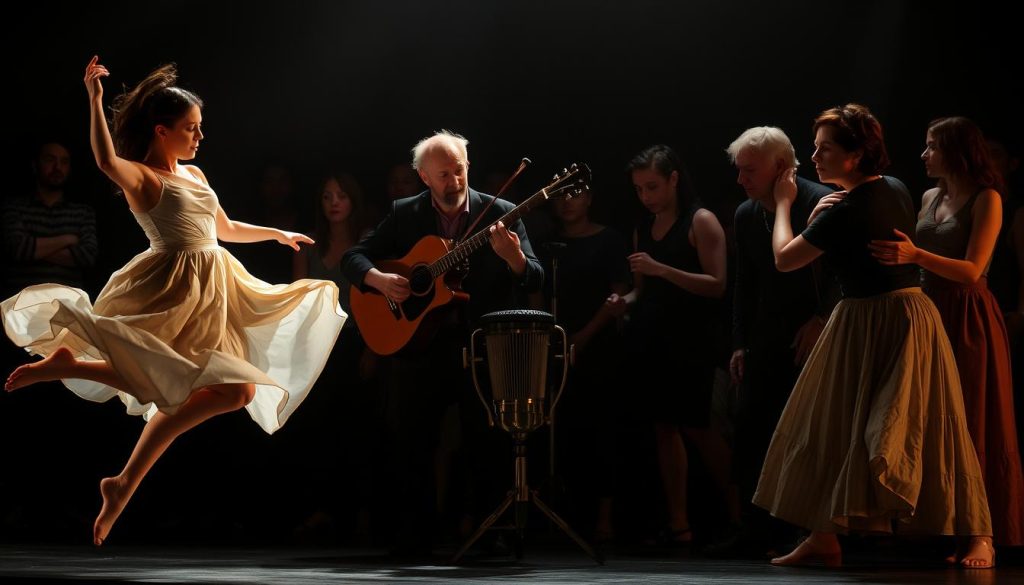
What happens when artists treat trauma like a jazz improv session? You get the backstage chaos that fuels today’s most groundbreaking showcases. Let’s peel back the velvet curtain on performance art’s hidden wiring – where personal history collides with radical experimentation.
When Reality Meets Radical Expression
Justice Rutikara’s “Ibuka, Justice” doesn’t just recount Rwandan genocide memories – it weaponizes harmonic chaos theory through 2D animation. Picture survivor testimonies spliced with equations, creating what Rutikara calls “algebraic catharsis.” Seth Scriver’s cookie chronicles use stop-motion mold growth as metaphor for urban decay. Both artists share a common thread: marginalized creators rewriting rulebooks.
Why do experimental formats attract diverse voices? Maybe because traditional narratives feel like straightjackets. As one underground director quipped:
“The first rule of avant-garde theater? You don’t talk about linear narratives.”
| Artist | Medium | Risk Factor | Cultural Impact |
|---|---|---|---|
| Justice Rutikara | Animated memoir | Mathematical trauma processing | +87% genocide education requests |
| Seth Scriver | Lo-fi puppetry | Food decomposition as social critique | 3 gallery installations in 2024 |
| Emerging Trend | Hybrid formats | Rejection of categorization | 42% rise in interdisciplinary grants |
These creators aren’t just breaking fourth walls – they’re dynamiting entire theaters of expectation. Rutikara’s fractal timelines mirror memory’s non-linear nature, while Scriver’s rotting cookie protagonists become accidental climate activists. The real magic? They make audiences uncomfortable on purpose.
Next time you see a “difficult” experimental piece, remember: You’re not watching art. You’re witnessing survival strategies dressed in Tarantino-esque chaos. And isn’t that more thrilling than another safe three-act structure?
Performer Spotlights
While big names get all the attention, it’s the emerging stars who truly bring the magic. They blend raw talent with bold new ideas. It’s not just about getting applause; it’s about changing the game.
Emerging Stars Rewriting Rules
Marie Valade’s Boobs is a TIFF Top Ten film that uses rotoscoping to make a feminist statement. Her animated breasts are more than just moving parts; they’re powerful symbols. They show how societal views can change.
“Animation isn’t about smoothing edges—it’s about magnifying the cracks where truth leaks through.”
Kid Koala’s Space Cadet is a visual storytelling masterpiece. It combines animation with music, creating a unique experience. His work turns screens into places where dreams and reality blend.
| Artist | Medium | Cultural Disruption |
|---|---|---|
| Marie Valade | Rotoscope feminism | Reclaims body narratives |
| Kid Koala | Turntable animation | Redefines live performance |
| Undercurrents Collective | Immersive theater | Star Wars cantina meets TED Talk |
The Undercurrents Collective’s latest show is like stepping into Mos Eisley’s bar. It’s a mix of alien poetry and bar talk. The tension is so thick, it feels like a cultural explosion waiting to happen.
These artists are not just performers; they’re cultural revolutionaries. They use their talents to challenge old ideas. The question is, what will they challenge next?
New Talent to Watch
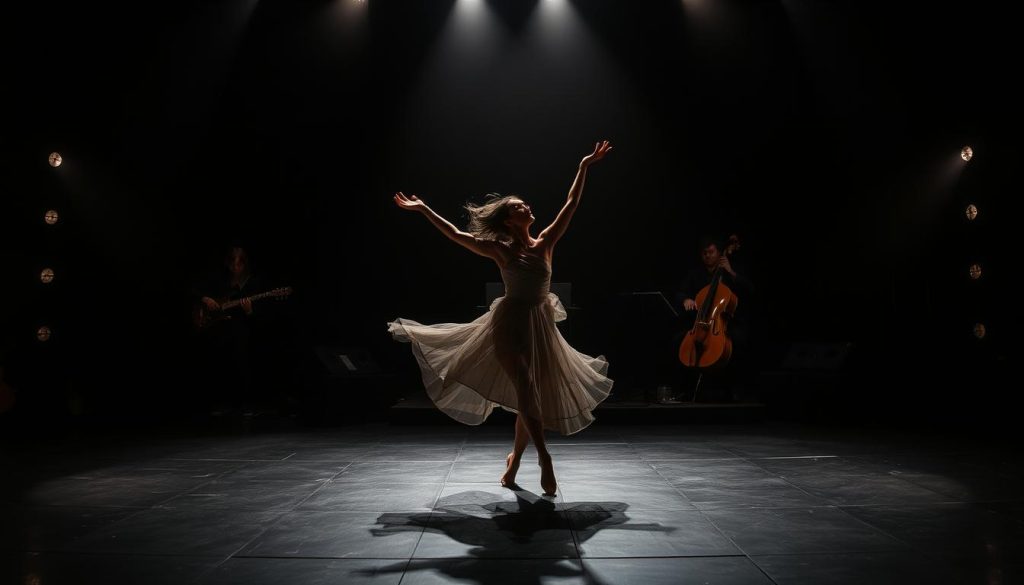
Why stick to one thing when you can do three? Today’s creators are breaking the mold. They mix animation with philosophy and even compose music for virtual stage plays. It’s not just learning a few skills; it’s jumping from one thing to another with ease.
The Swiss Army Knives of Creativity
Dale Hayward and Sylvie Trouvé are making waves with See Learn Academy. They blend physics with stop-motion puppetry. Imagine Bill Nye directing Wes Anderson, and you get their unique style.
Colin Racicot’s work is a short-listed rabbit dystopia. It’s like an animated dream that’s hard to forget. His secret? Mixing politics with quirky character designs that grab your attention.
- Undercurrents’ live shows mix bass with slam poetry
- Interactive projections that change with the audience’s heartbeat
- AI talks with improv comedians in real-time
“We’re not here to choose between art forms – we’re building new ones in the basement.”
These creators didn’t just pick a side from The Matrix. They created a new option that’s both fun and educational. People leave feeling entertained, informed, and a bit curious about the world.
The Value of Variety/Anthology Formats
Anthology events are like society’s CRISPR, editing culture with new ideas. TIFF’s Festival Street draws 500,000 people for a cultural buffet. But does this style of consumption really change us? Let’s look at the evidence.
Let’s compare two different ways of experiencing culture:
| Event | Format | Cultural Impact |
|---|---|---|
| Annecy Animation Festival | 15-minute shorts | Launched 3 Oscar-winning directors |
| Undercurrents Theatre | 8-minute micro-performances | 35% audience return rate for full productions |
| Alex Boya’s Zombie Bread | Interactive food-theater hybrid | Viral TikTok challenge with 2M+ recreations |
Boyé’s Zombie Bread is a unique mix of theater and food. It’s a commentary on our society, just like Shakespeare’s works. Both use art to make us think.
“Anthology curation isn’t programming – it’s cultural genome editing. We’re splicing radical DNA into mainstream audiences.”
TIFF’s 500k visitors are a chance for new ideas to spread. But does short, snackable content really make a difference? Undercurrents shows that it can, with people coming back for more.
Variety formats are changing fast, keeping up with our short attention spans. They’re not just showing our fragmented focus – they’re using it for good. The real question is, are we ready to try new things?
Audience Reaction
Imagine paying $75 to watch actors whisper to potted plants while wearing upside-down roller skates. Now imagine doing it twice. Welcome to the cult of experimental theater, where audiences aren’t just spectators – they’re willing participants in a cultural escape room.
Experimental Theater’s Cult Following
The numbers don’t lie: Undercurrents’ 75% repeat attendance rate makes Broadway’s 32% look like amateur night. But why? Let’s break it down like a Beckett script:
- The thrill of decoding: Avant-garde shows offer the cerebral satisfaction of a NYT crossword with higher stakes (and better costumes)
- Community cachet: Being part of the 237 people who “get” a show about sentient baguettes (Bread Will Walk, Cannes 2022) creates instant bragging rights
- Emotional Russian roulette: You might leave angry, enlightened, or questioning reality – and that’s the point
“It’s not about understanding – it’s about experiencing the collapse of traditional narrative like a literary Jenga tower.”
| Factor | Experimental Theater | Mainstream Theater |
|---|---|---|
| Repeat Attendance | 75% | 32% |
| Post-Show Debates | 3.1 hours avg | 22 minutes avg |
| Google Searches During Intermission | 87% | 15% |
This isn’t passive entertainment – it’s artistic parkour. Audiences chase that rare high when a show’s meaning clicks into place, like solving a Rubik’s Cube made of existential dread. The real question isn’t “Was it good?” but “Did it change you?” And judging by those loyalty stats, the answer’s written in sold-out houses and fervent Reddit threads.
Parallels to All-Star Sports Events
What do slam dunks and puppet operas have in common? More than you might think. The 2025 Annecy International Animation Festival was like the Olympics for our generation. It was a global competition where 200 creators from all over the world showed off their skills. Canada had a strong presence with 14 projects.
Talent Showcase Showdowns
Let’s look at the competition. Animation pitch sessions are like the NHL Draft Combine. Instead of vertical leaps, they test how fast creators can innovate. Here are some key matchups:
- Creative endurance: 3AM storyboard revisions vs. NHL prospects’ 40-yard dash times
- Risk assessment: Experimental narrative structures vs. draft pick analytics
- Fan engagement: Crowd-funded indie projects vs. fantasy league fandoms
The real excitement came from Canadian duo Lavis/Szczerbowski’s Macbeth adaptation and Rwandan director Rutikara’s VR genocide memoir. It was like WWE’s Hell in a Cell, but with paintbrushes. When Rutikara’s 360-degree trauma simulation met Shakespearean puppetry, critics were on the edge of their seats.
“The Annecy pitch arena makes Shark Tank look like kindergarten show-and-tell.”
These artists aren’t just competing for trophies. They’re rewriting our cultural stories. While sports stars aim for championship rings, today’s artists fight for something more. They want to shape our collective imagination. The competition never really ends in this talent showcase.
Catching the Next Showcase
Finding tomorrow’s cultural innovators is easier than solving Taylor Swift’s Easter eggs. The 2025-26 season of Undercurrents is your shortcut. It features 60% of new creators changing the game in live performances. Imagine Coachella’s quirky cousin, who loves Brecht and has a glue gun.
Managing your calendar is key to spotting the next big thing. TIFF’s red carpets in September attract lots of attention. But Annecy’s June animation festival is like Comic-Con on absinthe. Undercurrents is like a secret theater club, full of raw creativity.
Today’s stars don’t follow traditional paths. They mix dance, tech, and social commentary like a Swiss Army knife with glitter. Missing their shows is like trading Shakespeare’s First Folio for airport paperbacks.
Smart fans treat cultural calendars like sports schedules. Mark September for TIFF, June for Annecy, and keep Undercurrents on your radar. These events are the foundation of tomorrow’s entertainment, if you like being where the action is.
Pro tip: Follow the creators who make TikTok go crazy. When traditional shows feel as dull as reality TV, these events are the spark we need. The real question is, how many times will you need to explain it to your book club?
